Ditch Installation in Atlanta, GA
Ditch installation services involve creating a controlled channel or trench in the ground to manage water flow, drainage, or other underground utilities. These projects typically include installing drainage ditches to prevent flooding, French drains to redirect groundwater, or trenches for underground piping and utility lines. Property owners usually want to understand the scope of the work, the materials used, and how the ditch will function to protect their property from water damage or improve landscape management.
Before requesting ditch installation, homeowners should consider the location and purpose of the ditch, as well as any existing underground infrastructure. It’s important to evaluate the property’s terrain, drainage needs, and local regulations that might influence project requirements. Clear communication about the intended outcome and any concerns about property features can help ensure the installation effectively addresses drainage issues and aligns with property maintenance goals.
Many property owners in Atlanta, GA look into Ditch Installation for repairs, replacements, upgrades, and appearance-related improvements.
Types Of Ditches
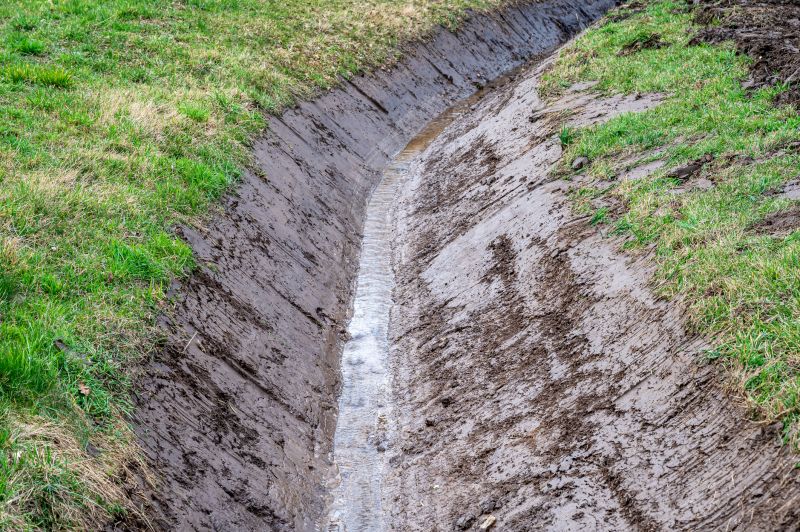
Various ditch styles are suitable for drainage, irrigation, and property grading projects in atlanta.
Common Uses
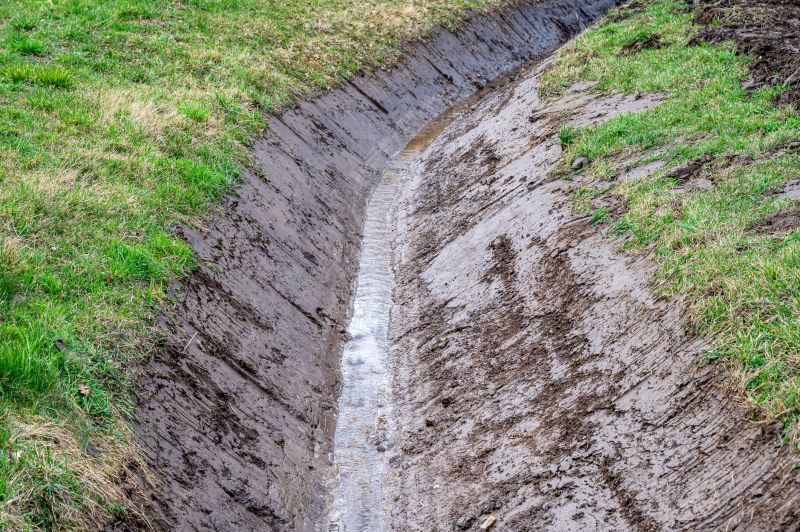
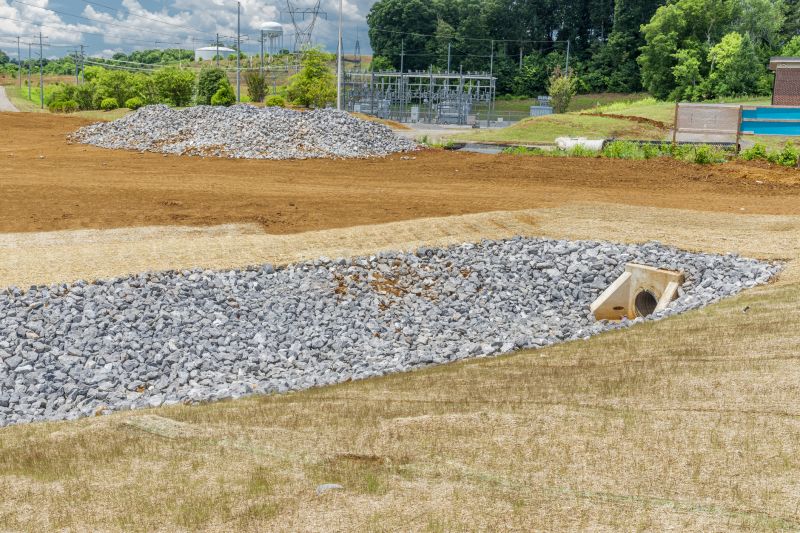
Ditches help manage water flow and prevent erosion around residential and commercial properties.
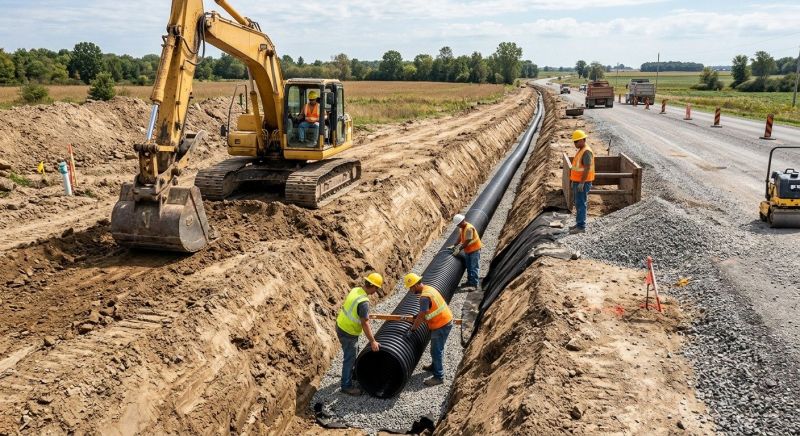
Installation Considerations
Proper planning ensures effective drainage and long-lasting results for ditch projects in the atlanta area.
Ditch Installation in Atlanta, GA

Ditch installation services involve creating a controlled channel or trench in the ground to manage water flow, drainage, or other underground utilities. These projects typically include installing drainage ditches to prevent flooding, French drains to redirect groundwater, or trenches for underground piping and utility lines. Property owners usually want to understand the scope of the work, the materials used, and how the ditch will function to protect their property from water damage or improve landscape management.
Before requesting ditch installation, homeowners should consider the location and purpose of the ditch, as well as any existing underground infrastructure. It’s important to evaluate the property’s terrain, drainage needs, and local regulations that might influence project requirements. Clear communication about the intended outcome and any concerns about property features can help ensure the installation effectively addresses drainage issues and aligns with property maintenance goals.
Many property owners in Atlanta, GA look into Ditch Installation for repairs, replacements, upgrades, and appearance-related improvements.
Common Ditch Installation Jobs
Drainage Ditch Installation - helps manage surface water flow to prevent flooding around the property.
French Drain Installation - directs excess groundwater away from foundations to reduce water intrusion risks.
Swale Construction - creates gentle slopes to channel runoff safely across the landscape.
Dry Creek Bed Installation - adds a decorative and functional feature for water management in yard spaces.
Gutter Drainage Solutions - connects downspouts to underground drains for effective roof water diversion.
Retaining Ditch Installation - stabilizes slopes and prevents soil erosion on hilly or uneven terrain.
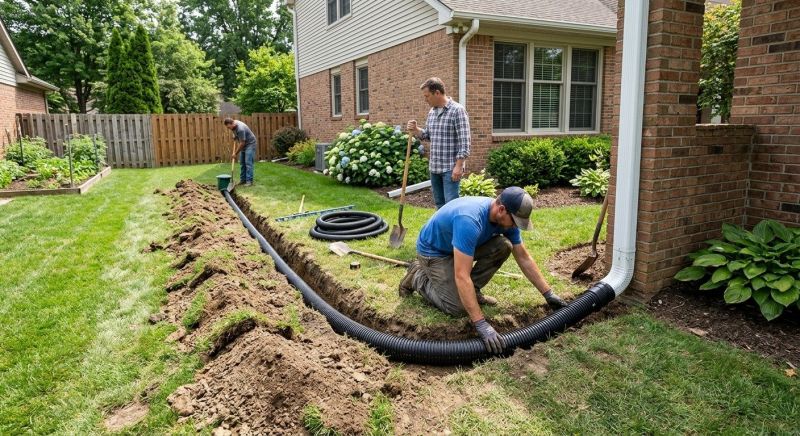
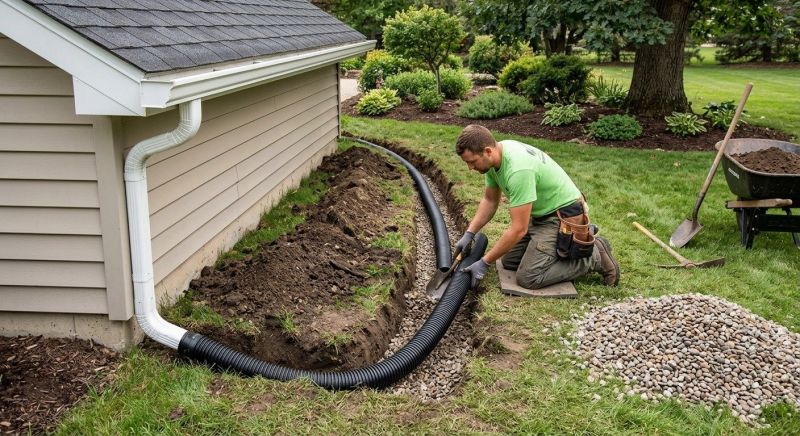
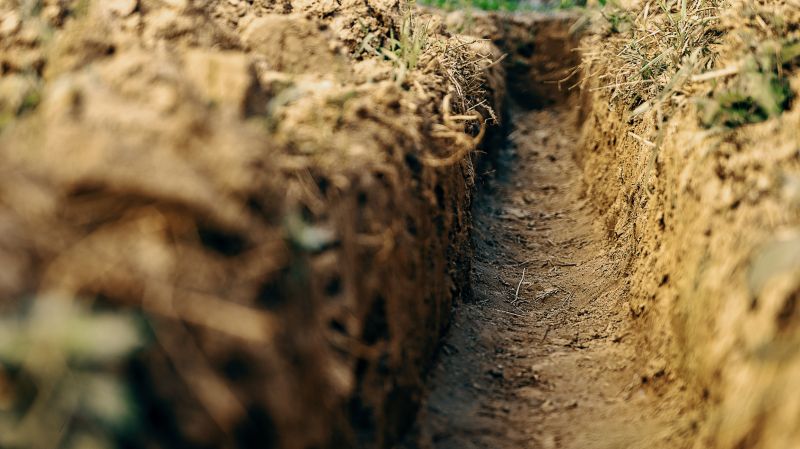
Ditch Installation Questions
What is the purpose of a ditch installation? Ditch installation helps with drainage, preventing water accumulation and protecting property foundations.
What types of projects typically require ditch installation? Ditches are often used for managing runoff from yards, driveways, or construction sites.
How does a ditch help with property drainage? It directs excess water away from structures, reducing erosion and water damage risks.
What should property owners consider before installing a ditch? It’s important to plan for proper grading and ensure the ditch aligns with existing drainage systems.
Request Ditch Installation in Atlanta, GA
Use the quote form on this page to share the basics of your project and request more information for the type of work you need.